SMS24.me guide
What Is an SMS Short Code? 5- and 6-Digit Numbers Explained
Learn what SMS short codes are, why some texts come from 5- or 6-digit senders, and how they differ from regular phone numbers.
By SMS24 Editorial Team | Published August 26, 2026
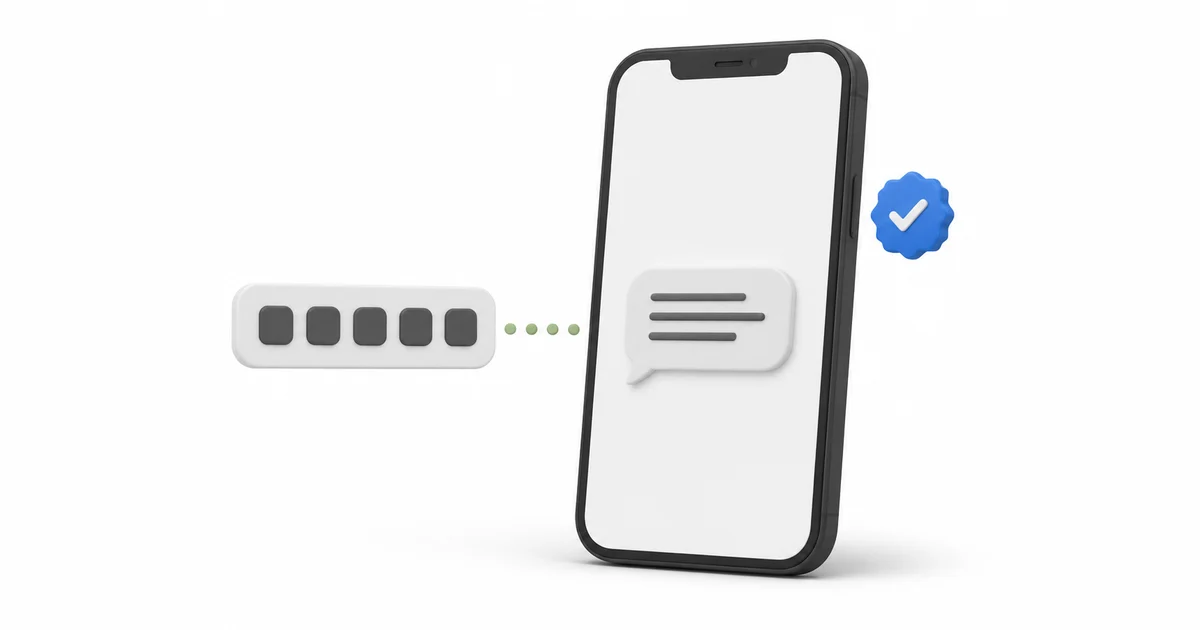
An SMS short code is a shortened numeric sender used to send and sometimes receive text messages. In the United States, a short code normally has five or six digits, so a message may appear to come from a number such as a five-digit sender instead of a standard phone number.
Organizations use short codes for verification codes, service alerts, appointment reminders, delivery updates, account notifications, promotions, and other high-volume messaging. The format, availability, and rules vary by country, so a five- or six-digit pattern should be understood as a common U.S. example rather than a universal global standard.
What is an SMS short code?
A short code is a number created for application-to-person messaging rather than ordinary person-to-person calls and texts. A business or organization connects a messaging campaign to the code through participating carriers and service providers. When the program sends a message, the short code appears as the sender.
The U.S. Short Code Registry describes a short code as a five- or six-digit number that can send and receive text messages. Its official short-code overview also explains that organizations use them for alerts, loyalty programs, surveys, promotions, and other messaging programs.
A short code is not simply a shortened display version of a normal phone number. It is a separate messaging address with its own registration, carrier support, throughput, campaign, and compliance requirements.
Why did I receive a text from a 5- or 6-digit number?
A text from a five- or six-digit sender often comes from an automated messaging program. Common examples include:
- one-time passwords and account verification codes;
- fraud, login, and account-security alerts;
- delivery, transit, appointment, and service notifications;
- emergency, school, workplace, or community updates;
- opt-in marketing messages, coupons, surveys, and loyalty programs.
The short format alone does not identify the exact organization. Read the message carefully and verify the sender through an official app or website when the text asks you to take a sensitive action.
How SMS short codes work
A messaging application submits a message through an approved provider and carrier route. The recipient sees the registered short code as the sender. Some programs are one-way and send notifications only. Others support replies with keywords that trigger an automated response.
For example, a user may text a published keyword to join an alert program, request information, or confirm an opt-in. The campaign can then respond from the same short code. Supported keywords, pricing, consent language, and unsubscribe behavior depend on the program and local rules.
The delivery label shown by a phone is a separate issue. Read what sent, delivered, and read statuses mean for the difference between a sending route and a confirmed delivery event.
Dedicated and shared short codes
A dedicated short code is assigned to one organization or messaging program. This provides clearer control over the sender identity, keywords, traffic, and compliance. Organizations may choose a randomly assigned code or, where available, a selected code chosen for memorability.
A shared short code is used by multiple organizations that distinguish their programs with separate keywords. Shared arrangements have existed in some markets, but carrier support and policy have changed over time. Availability should be checked with the relevant registry, carrier, and messaging provider instead of assumed.
SMS short code vs. long code
A long code looks like a conventional phone number. Depending on the country and route, it may support SMS, voice, or both. A short code is shorter, designed for messaging programs, and commonly used when an organization needs recognizable, automated, or higher-volume communication.
- Short code: shortened numeric sender, campaign-based registration, messaging focused, and usually country specific.
- Long code: standard-length phone number that can support business or person-to-person communication under the applicable route rules.
- Toll-free messaging number: a toll-free number enabled for SMS in supported markets, with its own verification and messaging requirements.
No sender type is automatically best for every purpose. The right choice depends on message volume, geographic coverage, reply requirements, carrier support, registration rules, and whether voice calling is also needed.
Are short-code messages safe?
A registered short code can provide a more controlled messaging route, but the message content still deserves normal caution. Do not share a verification code with a caller or unexpected contact. Do not use a link in a surprising text to sign in, pay, or disclose personal information. Open the known official app or website instead.
An SMS one-time password should be entered only into the verification screen that you intentionally opened. If a code arrives without a request, keep it private and review the related account through an official channel.
A message that uses urgency, threats, an unfamiliar link, or a request for credentials may be a phishing attempt. Our smishing guide explains how to inspect unexpected text messages without interacting with them.
What do STOP, HELP, and other keywords mean?
Many legitimate messaging programs publish keywords for common actions. STOP is commonly used to request an opt-out, while HELP may return support or program information. A campaign can also use custom keywords for joining a list, requesting an update, voting, or choosing a preference.
Keyword behavior is not identical in every country or program. Follow the published terms of a sender you recognize. Do not reply to a suspicious message merely to test whether the sender is active, because the safer action may be to block and report it through the messaging app or carrier.
Why a short-code verification text may not arrive
A short-code message can be delayed or rejected because of carrier filtering, unsupported routing, roaming, number formatting, sender limits, repeated requests, device settings, or a temporary service problem. Some phone plans or business lines may not support every short-code route.
Confirm the number and country code, wait before requesting another code, and use an alternative official verification method when available. The SMS verification delivery checklist covers these checks in a practical order.
Short codes and public SMS inboxes
A public inbox can sometimes display a non-sensitive test message sent by a short-code program, but delivery is never guaranteed. Senders and carriers may reject public, shared, virtual, or previously used number ranges. A short code that reaches one mobile route may not reach another.
Public inboxes are visible to other visitors. Never use them for banking, password recovery, private profiles, personal two-factor authentication, payment approval, identity verification, or confidential messages. For transparent low-risk testing only, current public routes appear on the temporary phone numbers page.
SMS short-code FAQ
Is every 5-digit text sender a short code?
In the United States, a five-digit sender is commonly a short code, but number formats and special service codes vary. The message context and the relevant national registry or carrier provide better confirmation than length alone.
Can I call an SMS short code?
Short codes are designed for messaging and generally are not ordinary voice numbers. Use the official support contact published by the organization rather than trying to call the sender.
Can two companies use the same short code?
A dedicated short code is assigned to one organization or program. Shared arrangements can exist in some markets, with keywords separating programs, but carrier support and rules vary.
Why does a short code work on one phone but not another?
The phones may use different carriers, plans, countries, roaming states, filters, or number types. The sender route may also support only a particular market or carrier group.
Does a short code mean the message is legitimate?
No sender format replaces careful verification. Do not disclose a password, one-time code, payment detail, or personal information in response to an unexpected message.
Key takeaway
An SMS short code is a shortened messaging address used for automated alerts, verification, updates, and opt-in campaigns. Five- and six-digit codes are common in the United States, while formats and rules vary internationally. Recognize the sender type, keep verification codes private, and verify sensitive requests through an official channel.